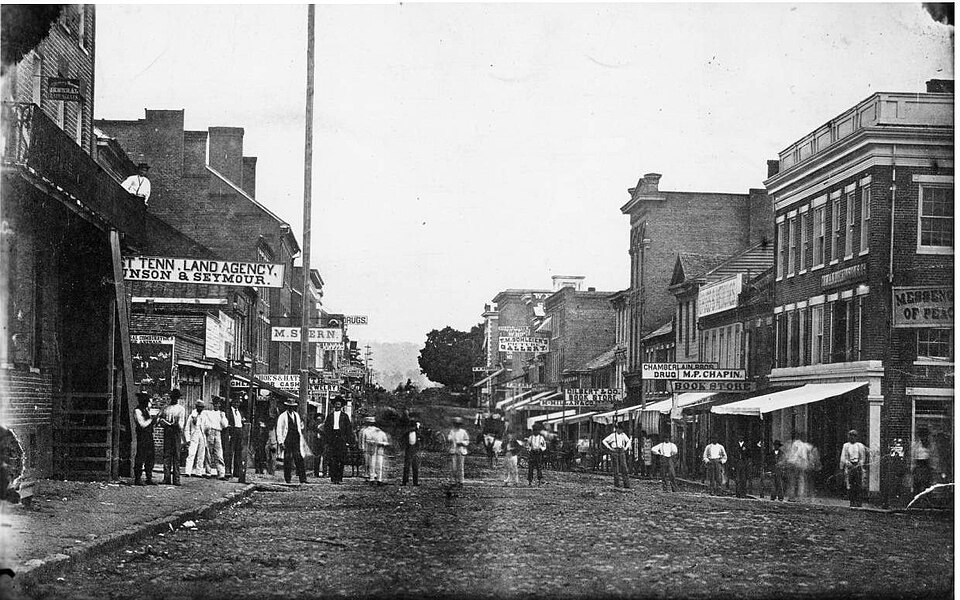
Long before electronic wire transfers or Federal Reserve notes existed, the commercial lifeblood of East Tennessee flowed along a single corridor in downtown Knoxville: Gay Street. First laid out in 1791 by surveyor Charles McClung as part of James White's original town plat along the river bluffs, Gay Street transformed over the nineteenth century from a frontier wagon road into the undisputed financial and banking capital of the Southern Appalachians.
Understanding how gold and silver specie moved through Gay Street's counting houses explains why Knox County estate collections today frequently contain pre-1933 United States gold coinage, early southern branch-mint issues, and nineteenth-century silver dollars.
The 1811 Charter of the Bank of Tennessee in Knoxville
During Knoxville's tenure as the first state capital of Tennessee, hard currency—known as specie (minted gold and silver coin)—was perpetually scarce on the trans-Appalachian frontier. Early merchants traded in Spanish milled dollars, fractional silver, and commodity receipts until the Tennessee General Assembly chartered the original Bank of Tennessee at Knoxville on November 20, 1811.
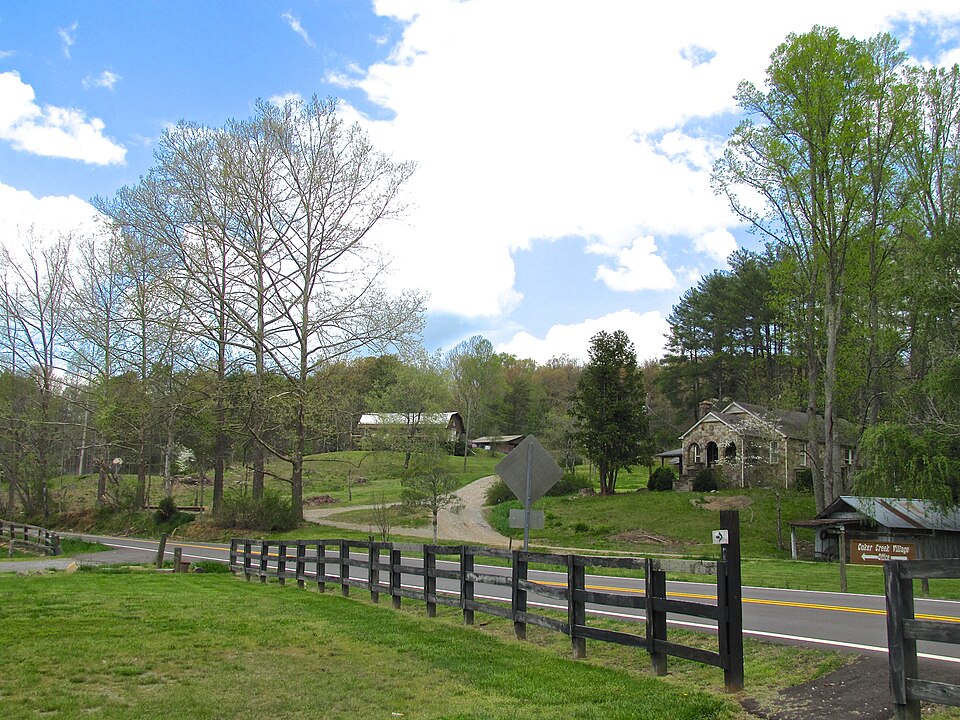
Presided over by Judge Hugh Lawson White—son of Knoxville founder James White and later a United States Senator and 1836 presidential candidate—the bank maintained vaults of gold and silver coin to back its circulating paper notes. Because Knoxville sat at the head of navigation on the Tennessee River and at the junction of wagon roads leading into Virginia, North Carolina, and Georgia, gold dust and bullion extracted from the early Southern Appalachian gold rushes (including the 1827–1831 Coker Creek discoveries in Monroe County) regularly passed through Knoxville merchants and assayers.
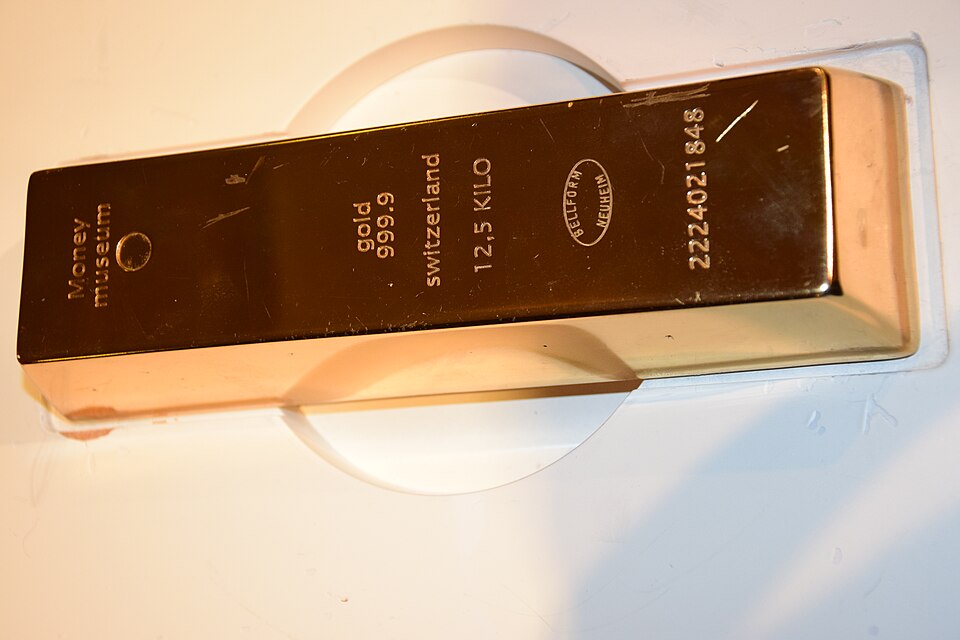
Before buying or liquidating coins and bullion in Tennessee, verify exact troy weight and dimensions at home with a 0.01g Digital Troy Ounce Scale, a Bullion Acoustic Ping Tester & Digital Caliper, or a non-destructive Precious Metal Verifier.
Post-Civil War Industrial Growth and the Gay Street Banking Boom
Following the November 1863 Siege of Knoxville and the conclusion of the Civil War, Knoxville experienced an extraordinary wholesale and industrial boom fueled by East Tennessee marble, coal, iron, timber, and railroad expansion. During an era when the national currency system operated under the Classical Gold Standard (formally codified after the Specie Payment Resumption Act of 1875, which returned U.S. paper currency to direct gold convertibility on January 1, 1879), Knoxville's leading banks on South Gay Street held substantial physical gold reserves:
- People's Bank (1865) & East Tennessee National Bank (1872): Anchored the commercial resurgence of downtown merchants, facilitating trade in U.S. Liberty Head $5 Half Eagles, $10 Eagles, and $20 Double Eagles.
- Mechanics' National Bank (Chartered 1882): Established on South Gay Street, its early history was marked by the notorious October 19, 1882 Gay Street shootout involving its first president, Major Thomas O'Connor. Rebuilt in 1907 as the five-story Mechanics' Bank and Trust Company Building at 612 South Gay Street, the building still stands as an architectural monument to Knoxville's hard-money banking era.
- Holston National Bank (Founded 1890): Chartered during the Gilded Age expansion and later housed in the landmark 14-story Holston Building at 531 South Gay Street (completed in 1913), which eventually became the headquarters of the Hamilton National Bank empire prior to the 1930s.
| Historic Knoxville Institution | Year Established | Historic Location | Primary Monetary Role |
|---|---|---|---|
| Bank of Tennessee (First Charter) | November 20, 1811 | Downtown Knoxville | Early frontier specie reserve under Pres. Hugh Lawson White |
| East Tennessee National Bank | 1872 | Gay Street & Union Ave | Post-Civil War national banknote issuer & gold depository |
| Mechanics' National Bank | 1882 (1907 Bldg) | 612 South Gay Street | Industrial & railroad commercial financing in Knox County |
| Holston National Bank | 1890 (1913 Bldg) | 531 South Gay Street | Regional commercial clearinghouse for East Tennessee |
Why 19th-Century Gold Coins Still Surface in Knoxville Estates
During the financial panics of 1873, 1893, and 1907—and again during the bank closures of the early 1930s—many East Tennessee families withdrew physical gold and silver coinage from commercial circulation and stored it privately in home safes, cedar chests, and safe deposit boxes. Even after President Franklin D. Roosevelt issued Executive Order 6102 in April 1933 restricting private gold bullion hoarding, statutory exemptions permitted citizens to retain up to $100 face value in gold coins (roughly five $20 Double Eagles or ten $10 Eagles) as well as coins with recognized collector value.
Today, archives housed at the Calvin M. McClung Historical Collection at the East Tennessee History Center on Gay Street document over two centuries of local banking ledgers. Meanwhile, the physical coins from that era—Liberty Head and Saint-Gaudens gold pieces alongside Morgan and Peace Silver Dollars—regularly surface when multi-generational properties in Sequoyah Hills, Fourth and Gill, Island Home, and Fountain City are settled.
If your family has inherited nineteenth- or early-twentieth-century gold coinage or historic bullion, visit our Sell Gold in Knoxville appraisal guide or request a confidential valuation through East Tennessee Gold Buyers.