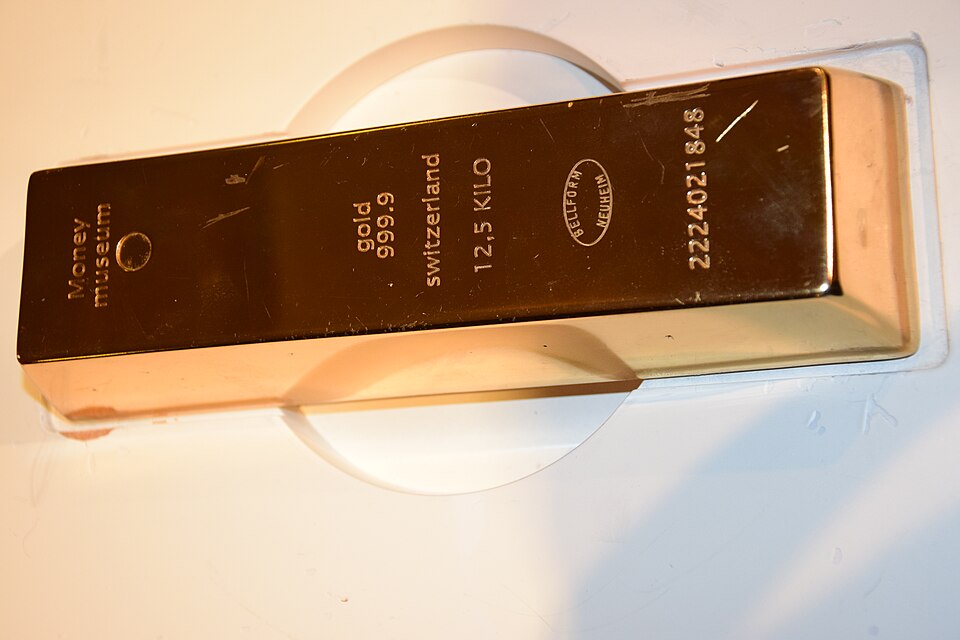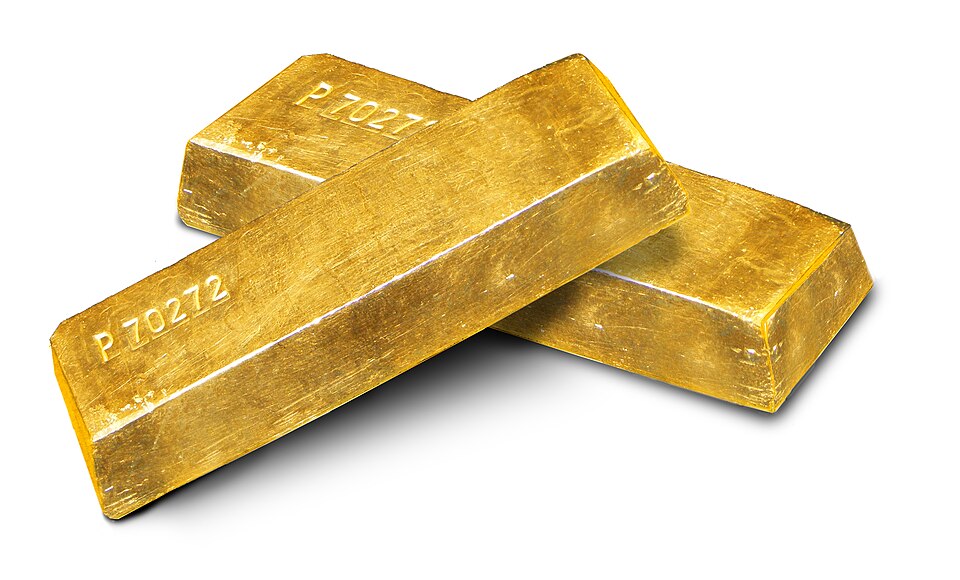
One of the most consequential regulatory shifts in modern bullion banking occurred quietly inside the rulebooks of the Bank for International Settlements (BIS) in Basel, Switzerland. Under the Basel III international banking accords—and the ongoing rollout of the "Basel III Endgame" capital standards across the United States, the European Union, and the United Kingdom—banking regulators drew a sharp regulatory line between allocated physical gold bullion and unallocated paper gold derivatives.
Allocated Physical Gold: A 0% Risk-Weighted Tier 1 Asset
Under the earlier Basel I and Basel II banking frameworks, gold held on a commercial or central bank's balance sheet was treated as a Tier 3 commodity asset carrying a 50% risk weighting—meaning banks could only count half of its market value toward their core reserve capital requirements. Under Basel III, physical gold bullion held in an institution's own vault (or on an explicitly allocated basis, where specific numbered bars are titled to the owner) carries a 0% risk weight, placing allocated physical gold in Tier 1 alongside cash and sovereign government bonds.
Before buying or liquidating coins and bullion in Tennessee, verify exact troy weight and dimensions at home with a 0.01g Digital Troy Ounce Scale, a Bullion Acoustic Ping Tester & Digital Caliper, or a non-destructive Precious Metal Verifier.
The Net Stable Funding Ratio (NSFR) and the Clampdown on Paper Gold
Equally important is Basel III's Net Stable Funding Ratio (NSFR) rule, which requires commercial bullion banks holding unallocated gold positions (synthetic paper claims where multiple clients hold fractional IOUs against a bank's general pool of metal) to maintain an 85% Required Stable Funding (RSF) buffer.
- Allocated Physical Bullion: Specific, serialized bars or coins owned outright with zero counterparty claim. Carries a 0% risk weight on bank balance sheets.
- Unallocated / Synthetic Paper Gold: Represents an unsecured creditor claim against a financial institution. Carries an 85% NSFR funding requirement, making synthetic short-selling and leveraged bullion leasing far more expensive for bullion banks.
Why Individual Investors in East Tennessee Follow the Same Rule
The lesson of Basel III for individual savers in Knoxville, Maryville, and Alcoa is straightforward: if global banking regulators themselves distinguish between allocated physical metal in your possession and unallocated paper promises, household investors should do the same. Holding physical sovereign coins or LBMA-accredited refinery bars—purchased with 0% sales tax in Tennessee under Tenn. Code Ann. § 67-6-350—eliminates third-party counterparty risk entirely.