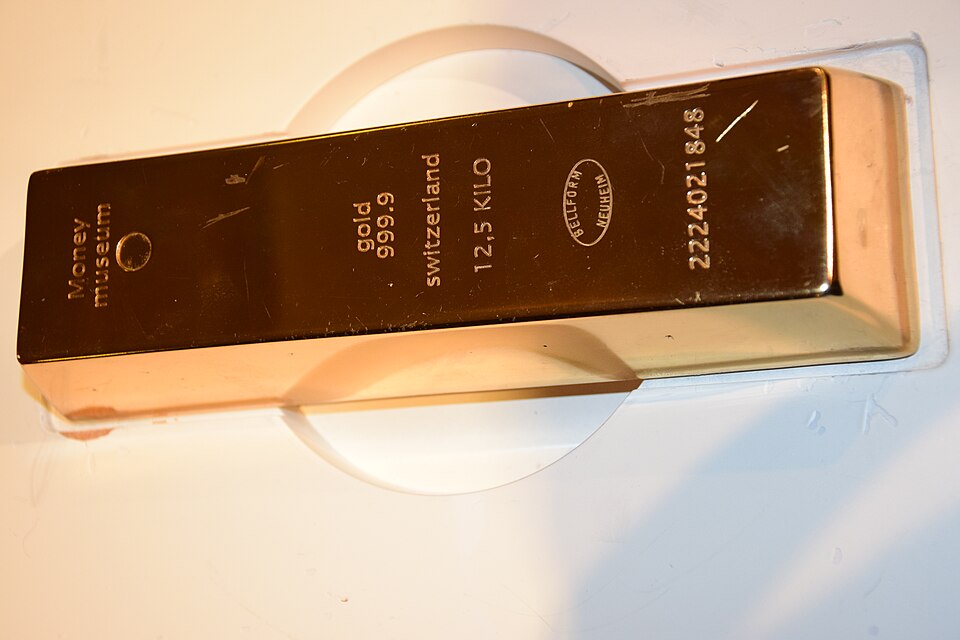
When a homeowner in West Knoxville or Farragut sells an inherited 14-karat gold necklace or a tube of American Gold Eagles, the cash offer they receive at the appraisal table is directly anchored to the global spot price of gold (XAU/USD). Over the past four years, that spot price has climbed to historic nominal highs—and the single most powerful structural driver behind the rally has not been retail jewelry demand or speculative ETF trading, but sovereign central bank accumulation.
What the World Gold Council Data Shows (2022–2025)
For decades following the end of the Bretton Woods system in 1971, central banks in Europe and North America were net sellers of gold. Following the 2008 global financial crisis, central banks shifted back to net buyers, averaging roughly 400 to 500 metric tons per year between 2010 and 2021. Beginning in 2022, however, sovereign reserve managers shattered every modern historical record:
| Calendar Year | Net Central Bank Gold Purchases (Metric Tons) | Comparison to 2010–2021 Average (~473t) | Primary Sovereign Buyers (World Gold Council) |
|---|---|---|---|
| 2022 | 1,082 tonnes | +128% above prior decade average | Turkey, Uzbekistan, India, Qatar, Emerging Markets |
| 2023 | 1,050 tonnes | +122% above prior decade average | People's Bank of China, Poland, Singapore |
| 2024 | 1,045 tonnes | +121% above prior decade average | National Bank of Poland, India, Turkey, China |
| 2025 | 863 tonnes | +82% above prior decade average | National Bank of Poland, Reserve Bank of India, Central Asia |
Before buying or liquidating coins and bullion in Tennessee, verify exact troy weight and dimensions at home with a 0.01g Digital Troy Ounce Scale, a Bullion Acoustic Ping Tester & Digital Caliper, or a non-destructive Precious Metal Verifier.
Why Sovereign Reserve Managers Are Prioritizing Allocated Physical Gold
In annual surveys conducted by the World Gold Council across more than 70 central banks worldwide, reserve managers consistently cite three primary reasons for increasing their physical gold allocations:
- Zero Counterparty Risk: Unlike sovereign debt instruments (such as U.S. Treasuries, German Bunds, or Japanese Government Bonds), physical gold bullion held in domestic vaults carries no default risk and cannot be diluted by monetary expansion.
- Sanctions & Geopolitical Neutrality: Following the freezing of roughly $300 billion in foreign exchange reserves in 2022, emerging-market central banks accelerated efforts to diversify a portion of their reserve assets into non-fiat physical bullion.
- Long-Term Store of Purchasing Power: Over multi-decade horizons, gold has preserved purchasing power against sovereign debt monetization and currency debasement.
What This Structural Floor Means for Knoxville Sellers and Investors
Unlike retail speculative spikes—which can reverse overnight when hedge funds liquidate futures contracts on the COMEX—central bank purchases remove physical 400-troy-ounce London Good Delivery bars permanently from circulating market float. For East Tennessee residents holding unworn karat jewelry, dental gold, or estate coins, this institutional floor means that the melt value of a single troy ounce of fine gold is substantially higher than it was even three years ago.
Whether you are looking to capitalize on historically elevated spot prices by selling unused scrap gold in Knoxville or looking to allocate a portion of your portfolio into tax-exempt physical bullion under Tennessee Code Annotated § 67-6-350, checking live spot benchmarks before every transaction is essential.