Every spring and summer, new hobbyists buy a gold pan, look at a map of East Tennessee's mountain creeks, and wonder: "Can I legally walk down to any public creek bridge and start digging and panning?"
The short answer is no—location and equipment matter enormously under federal and Tennessee state law. Following a few clear rules ensures you never face a federal citation from a National Park ranger or U.S. Forest Service law enforcement officer, while keeping Tennessee's public streams open for future generations of recreational prospectors.
The Essential Do's and Don'ts Reference Table
| Activity / Location | Legal Status in East Tennessee | Governing Rule & Field Etiquette |
|---|---|---|
| DO: Hand-Pan in Designated Cherokee National Forest Creeks (Lyons Creek, Wildcat Creek) | PERMITTED (Class 1) | Use hand gold pans, small mesh classifiers, snuffer bottles, and hand trowels in the active wet gravel bed only. |
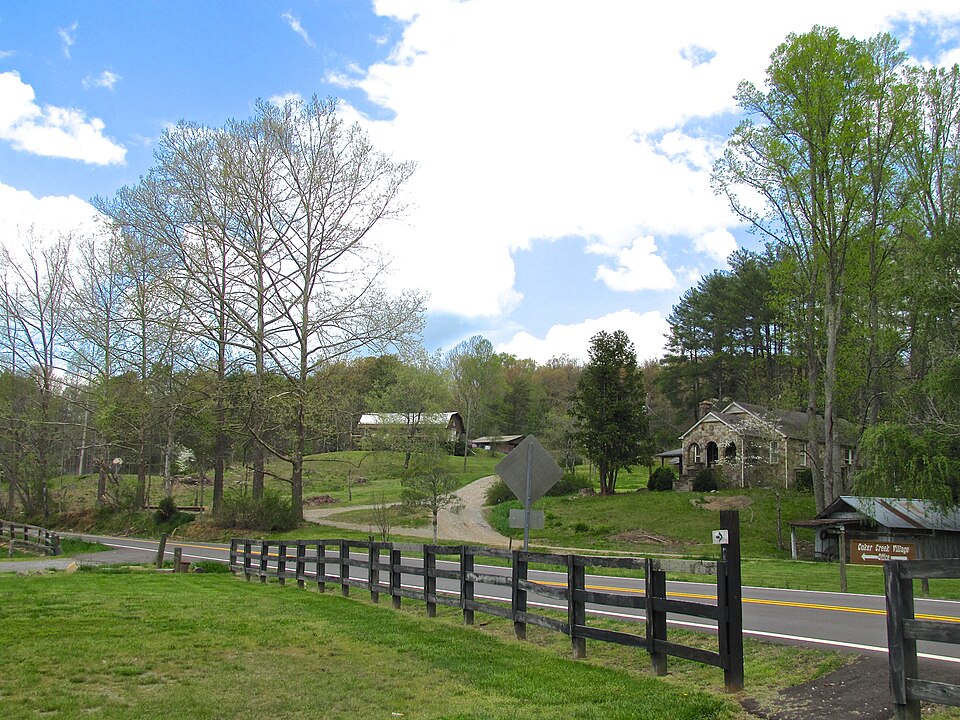
| DO: Pan at Coker Creek Welcome Center or Private Gold Camps | PERMITTED | Great for families and beginners; private camps grant explicit permission on private Coker Creek frontage. |
| DON'T: Undercut or Dig Into Vegetated Stream Banks | PROHIBITED | Digging into dirt banks causes siltation, destroys tree roots, and harms native brook/rainbow trout spawning beds. |
| DON'T: Use Motorized Suction Dredges or Gas Highbankers | PROHIBITED | Motorized equipment requires TDEC Aquatic Resource Alteration Permits (ARAP) and is barred on USFS recreational streams. |
| DON'T: Pan Inside Great Smoky Mountains National Park | STRICTLY ILLEGAL | 36 CFR § 2.1 prohibits disturbing or possessing any mineral or rock inside National Park boundaries. |
| DON'T: Trespass on Private Coker Creek Farmland or Yards | ILLEGAL TRESPASS | Much of Coker Creek along TN-68 is privately owned from bank to bank; always verify USFS boundary signs or ask permission. |
Heading to the Cherokee National Forest or Coker Creek? Pack a U.S. Forest Service Class 1 compliant hand-panning kit: the Garrett Deluxe Gold Panning & Classifier Kit, a Stainless Bedrock Crevicing & Snuffer Bottle Kit for cleaning slate cracks, and a Plunger Black Sand Magnet.
5 Golden Rules of Stream Etiquette for Hobby Prospectors
- Work Only Within the Active Wet Gravel Bar: Scoop loose sand, pebbles, and bedrock crevice material from the wet stream channel—never hack into grass-, moss-, or root-covered stream banks.
- Fill In Your Classification Holes Before Leaving: If you dig a shallow pocket in a gravel bar to reach bedrock, push your classified tailings gravel back into the depression before you hike out so anglers and waders do not trip.
- Do Not Move Large Boulders or Pry Apart Live Bedrock Ledges: Moving large boulders destabilizes the stream channel and destroys shelter for hellbenders (Eastern giant salamanders, a protected species in East Tennessee mountain rivers). Use narrow hand crevicing spoons and scratchers to clean existing cracks gently.
- Pack Out Every Scrap of Trash: Carry a mesh trash bag in your 5-gallon panning bucket and leave the creek cleaner than you found it.
- Check In at the Tellico Ranger District Office or Coker Creek Welcome Center: Regulations on specific forest service roads and seasonal stream corridors can update after flood events; stopping by the Tellico Ranger Station in Tellico Plains guarantees you have current forest maps.
For a full breakdown of legal public streams, read our sister portal's guide on Where to Pan for Gold in East Tennessee and Why You Cannot Pan in Great Smoky Mountains National Park.